
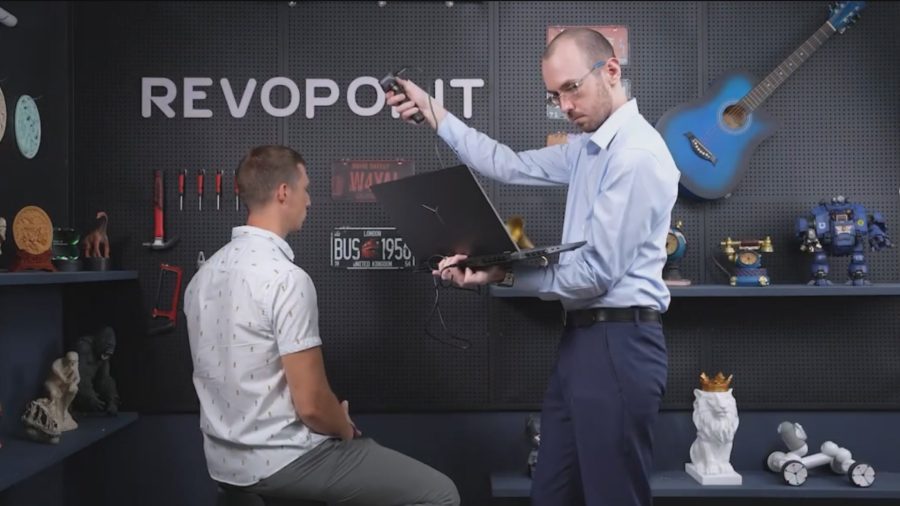
My early professional work focused heavily on manufacturing and engineering systems. The designs themselves were often technically sound — structurally correct, mechanically functional, and optimized for production.
But through deeper interaction with customers and users, particularly during collaborations such as Kamp & Braai, I began to notice something more.
Even when a product works perfectly from an engineering perspective, the experience of using it can still be confusing, frustrating, or unintuitive.
Every user approaches a product differently. Each person experiences it before, during, and after use — and those moments shape whether the product becomes something people value or something they abandon.
That realization shifted my focus.
I became increasingly interested in the intersection between engineering capability and user experience — how products are understood, adopted, and trusted in the real world.
This perspective now guides much of my work: translating complex technical capability into product experiences people can actually understand and use.
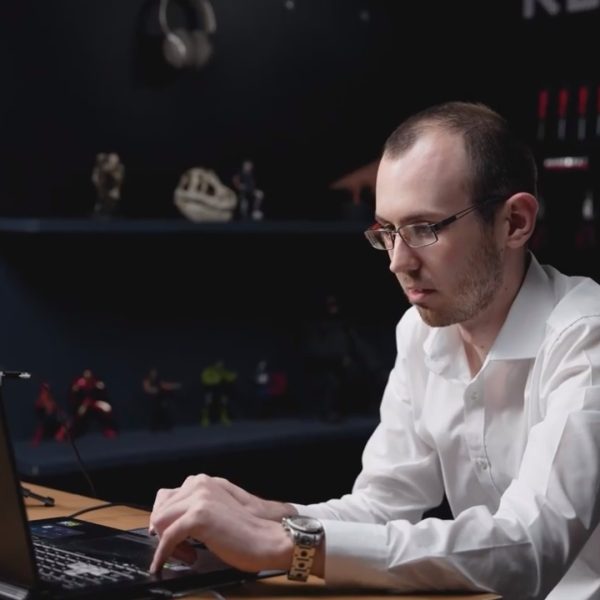
While working with Revopoint, my role involved supporting multiple parts of the product lifecycle.
I worked closely with engineers, industrial designers, and team leaders to provide feedback on product improvements, while also supporting resellers and customers in understanding how the technology performed in real-world applications.
Part of my responsibilities included:
• validating real-world workflows
• supporting product demonstrations
• reviewing marketing and technical materials
• communicating feedback from users back to development teams
Through this work I saw how important cross-team communication is to product development. Engineering, design, marketing, and users all see products from different perspectives.
Innovation often happens when those perspectives collide.
When these groups communicate effectively, products improve faster and become easier for people to understand and adopt.
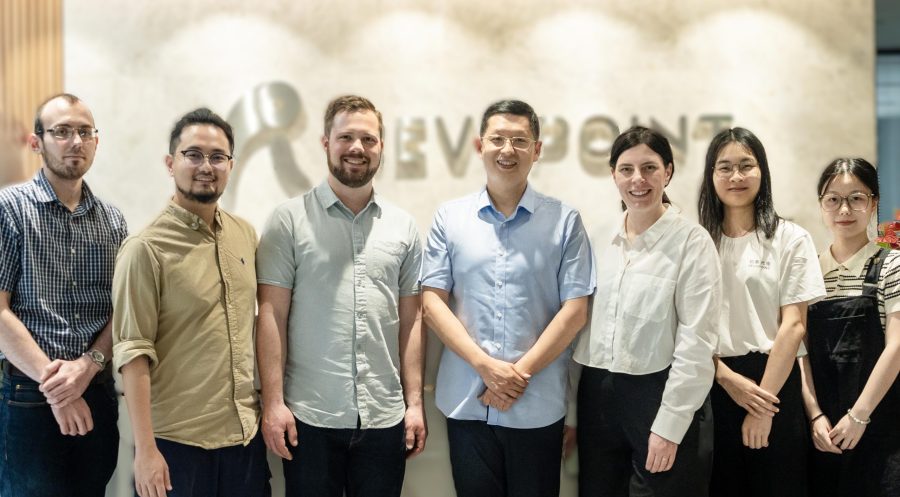
During my time at Revopoint, I had the opportunity to collaborate with international partners and customers exploring real-world applications of 3D scanning technology.
In one example, a representative from LEXCENT visited Revopoint to evaluate the scanning capabilities. After an initial demonstration, the team was interested enough to continue with a more detailed case study together.
Over a weekend, we worked through a full scanning workflow — capturing geometry and evaluating how the technology could be applied in practice.
The session helped validate both the product capabilities and the workflow required for real-world use.
Experiences like this reinforced something important: technology alone is never enough. The surrounding workflow, documentation, and user understanding are equally critical to whether a product succeeds in the real world.
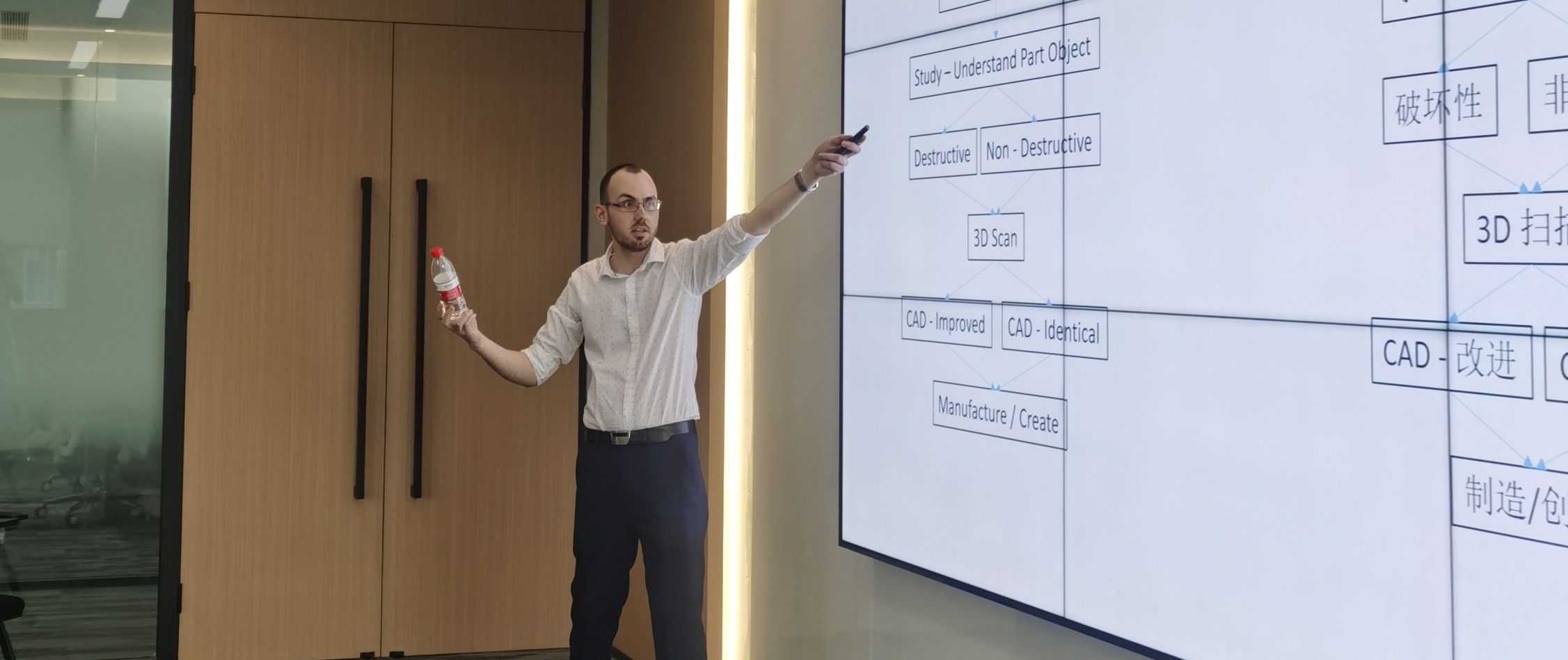
A consistent part of my work has been helping people understand complex technologies.
Whether presenting new tools, demonstrating workflows, or discussing product improvements, I enjoy translating technical concepts into explanations that make sense to both engineers and non-engineers.
Products succeed not only because they are technically capable, but because people understand how to use them.
Bridging that gap between engineering capability and real-world usability is a challenge I find particularly rewarding.
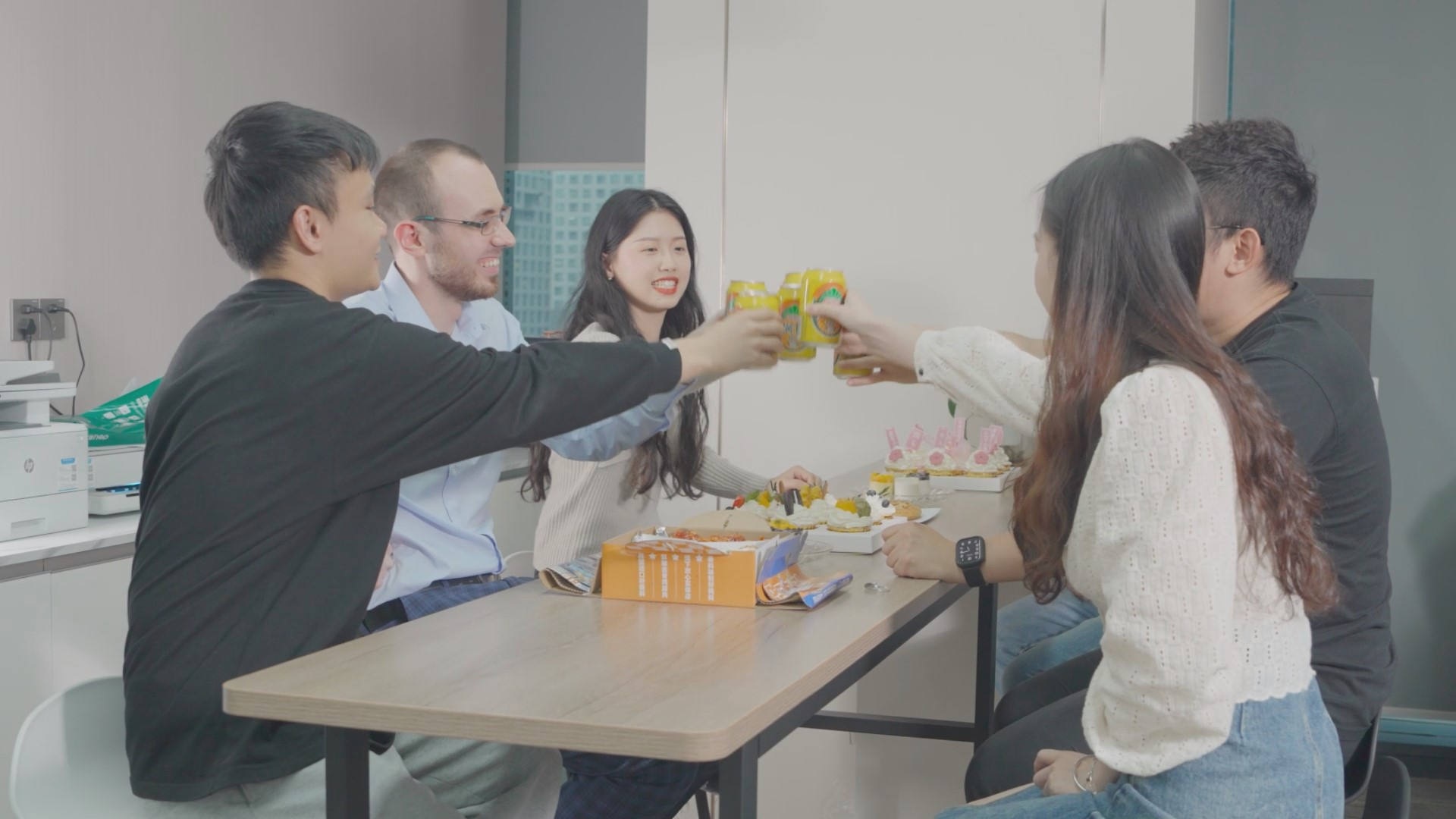
While individual curiosity often sparks ideas, successful products are always the result of collaboration.
Across different projects and environments, I’ve worked alongside engineers, designers, operators, and business teams — each bringing a unique perspective to the product.
These interactions continually reinforce the value of diverse thinking. When technical insight, design sensitivity, and user feedback come together, products become more meaningful and more successful.
Today my focus remains centered on physical products and the experiences surrounding them.
I am particularly interested in working with companies that design and manufacture products used by people every day — whether those products are vehicles, consumer devices, creative equipment, or hybrid hardware–software systems.
Products shape how we interact with the world around us.
When engineering, design, and user experience align well, those products become something far more meaningful than the sum of their parts.
If you’re working on products, manufacturing systems, or real-world user experiences and would like to explore how we might collaborate, feel free to reach out.
I’m always open to thoughtful conversations about building better product experiences.
Each message is personally reviewed. I typically respond within a few days.